
The Interview as Information Asymmetry: Questions That Reveal Company Health
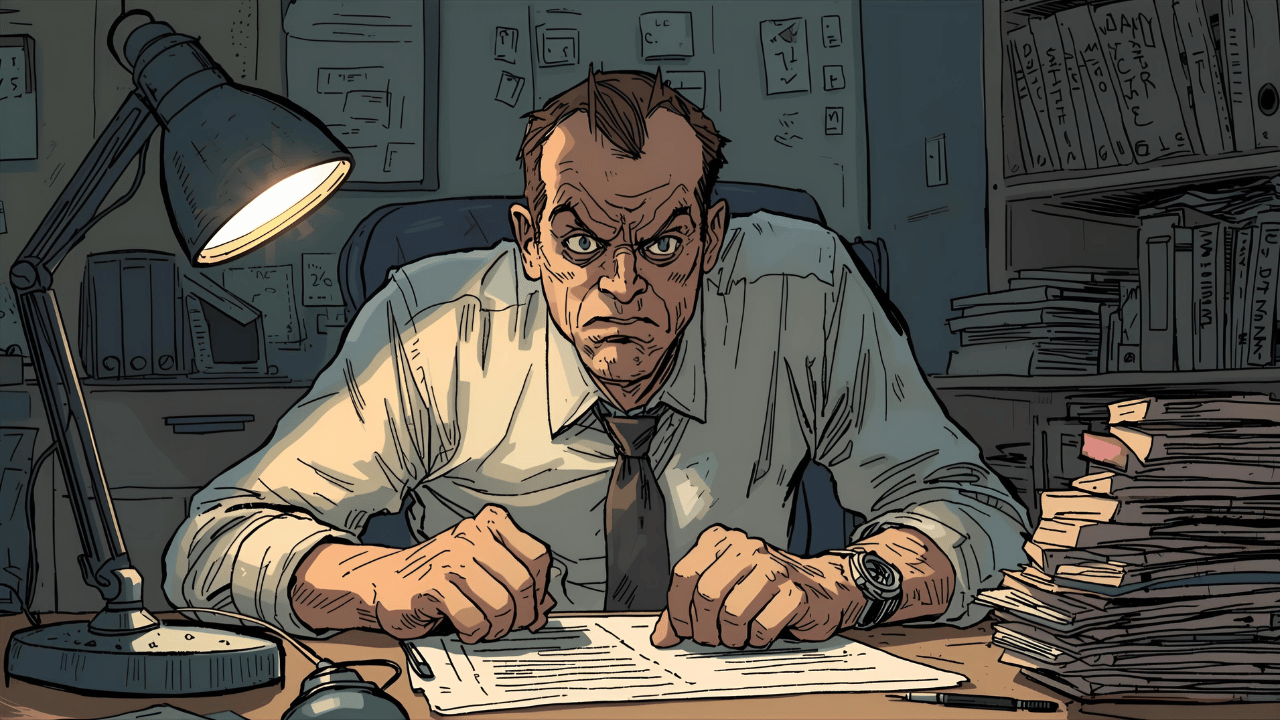
Job interviews are sold to us as mutual evaluations, but that's not quite true. You walk in with your resume laid bare - every job, every gap, every accomplishment scrutinized. The company? They show you a conference room and some practiced smiles.
This is what economists call information asymmetry: one party knows significantly more than the other. And in most interviews, you're the one flying blind.
The standard advice is to "ask thoughtful questions" at the end of your interview. But most candidates waste this opportunity with softballs like "What does success look like in this role?" or "What's the company culture like?" These questions invite rehearsed answers that tell you nothing.
I've spent over 20 years on both sides of the hiring table, and I can tell you: the quality of your questions directly correlates with your ability to avoid toxic jobs, stalled careers, and companies circling the drain. The trick is knowing which questions actually reveal something the company doesn't want you to know.
Why Information Asymmetry Matters More Than You Think
Here's a stat that should worry you: According to research from the Society for Human Resource Management, 28% of new hires leave within the first 90 days. That's more than one in four. And the number one reason? The job or company wasn't what they expected.
You can't fix what you can't see. And companies are exceptionally good at hiding their problems during the interview process.
Think about it from their perspective. They've already invested weeks screening hundreds of resumes, conducting phone screens, and coordinating schedules. By the time you're sitting in that chair, they want to close the deal. The hiring manager has KPIs to hit. The recruiter has a placement bonus on the line. HR is measuring time-to-fill.
Everyone in that room has an incentive to show you the highlight reel, not the behind-the-scenes footage.
But here's what most people miss: companies leak information constantly. You just have to know where to look.
The Questions That Actually Reveal Company Health
These aren't your typical "best questions to ask in an interview" listicle suggestions. These are diagnostic questions—the kind that force companies to either tell you something real or reveal themselves through obvious evasion.
On Team Stability
"How long has the team I'd be joining been in its current structure?"
This question is a landmine detector. If the answer is "six months" or less, that's your first red flag. Constant reorganizations mean one of three things: leadership doesn't know what they're doing, the strategy keeps changing, or they're trying to squeeze blood from a stone with fewer people.
I once watched a candidate ask this question to a hiring manager who hesitated, then said, "Well, we've had some changes." Pressed gently, he admitted the team had been restructured three times in 18 months. That company laid off 40% of staff nine months later.
On Turnover
"What's been the pattern with people who've held this role previously - where did they go?"
Most people ask "Why is this position open?" That's amateur hour. Companies have polished responses: "Growth opportunity!" "New headcount!" "Previous person was promoted!"
But asking about the pattern of previous role holders? That's different. If the last three people left for competitors, that tells you something about trajectory. If they were promoted internally, that's a different signal. If they "pursued other opportunities" (translation: fired or pushed out), that's your cue to dig deeper.
Pay attention not just to the answer but to how long it takes them to answer. If the hiring manager has to think hard about what happened to the last person in your role, that's telling in itself.
On Decision-Making Authority
"Can you walk me through a recent decision your team made and how much autonomy you had in making it?"
This is my favorite question, and almost nobody asks it. It cuts through all the "we value innovation" and "entrepreneurial environment" corporate-speak and gets to the truth: Do people here actually have power to do their jobs?
A healthy answer includes specific details, admits to some constraints, but demonstrates actual decision-making. A bad answer is vague, deflects to "collaborative process" without specifics, or involves approvals from three layers up.
I've seen this question completely change a candidate's perspective in real-time. One hiring manager couldn't come up with a single recent decision his team had made independently. Everything required VP approval. The candidate took another offer.
On Resource Allocation
"What are the biggest resource constraints your team faces right now?"
This question does two things: First, it reveals whether they have the tools to do the job. Second, it shows you what leadership prioritizes.
If they say "budget" or "headcount," ask the follow-up: "How does leadership typically respond when you surface these constraints?" That answer tells you whether you're walking into a well-supported role or a perpetual battle for resources.
The worst answer I've ever heard? "We make it work." That's code for unpaid overtime and burnout.
On Strategic Clarity
"How has the company's strategy for this department changed in the past year, and what drove that change?"
Strategy changes are normal. Markets shift, competitors emerge, priorities evolve. But how those changes happen—and whether the team understands them—reveals everything about leadership quality.
A good answer shows clear reasoning and team buy-in. A bad answer reveals strategy-by-whiplash: directives handed down from above, no context provided, team left scrambling.
The real tell is if they can't articulate any strategic changes. That means either leadership isn't communicating, or there is no strategy.
On Failure Tolerance
"Tell me about a recent project that didn't go as planned. What happened, and what did you learn from it?"
Companies love to talk about innovation and taking smart risks. This question calls their bluff.
If they genuinely encourage calculated risk-taking, they'll have a specific story ready. They'll talk about what went wrong, how it was handled, and what changed as a result. They might even laugh about it.
If they freeze, deflect, or can only offer a sanitized "learning opportunity" that sounds suspiciously like a success story in disguise, you're looking at a blame culture.
Questions That Reveal Culture vs. Questions About Culture
Here's where most candidates go wrong. They ask about culture instead of asking questions that reveal culture.
"What's the culture like here?" invites meaningless corporate poetry. "We're collaborative, fast-paced, and value diverse perspectives!" Great. So is every other company in their recruitment materials.
Instead, try these:
"How do you handle disagreements about direction or priorities within the team?"
This reveals actual culture. Do they encourage healthy debate? Is dissent tolerated? Do junior people get to push back on senior people? The answer tells you whether "we value diverse perspectives" is real or performative.
"When was the last time someone on the team pushed back on a decision from leadership, and what happened?"
Watch their face when you ask this. I've seen hiring managers light up because they're proud of their team's willingness to challenge. I've also seen them go silent because they can't remember it ever happening.
If they can't answer this question with a specific example, the culture is not what they're selling you.
The Meta-Question That Changes Everything
Here's the nuclear option, and I only recommend it if you already have other strong offers:
"What would make you, personally, leave this company?"
This question is remarkable because it forces the interviewer to articulate what they value and whether the company provides it. More importantly, watch what they don't say.
If they talk about wanting to eventually start their own thing, that's one thing. But if they deflect, or worse, if they suddenly look uncomfortable, you've just learned something important.
I asked this once and got: "Honestly? If they killed our R&D budget. That's the only reason I'm still here." That told me everything I needed to know about that company's priorities and where they were vulnerable.
Reading the Signals Beyond the Answers
Questions only get you halfway there. The other half is reading the room.
Time pressure: If they're rushing you through the interview or seem distracted, that's not respect for your time—that's a preview of how they'll treat you as an employee.
Multiple interviewers contradicting each other: If three people give you three different versions of team priorities, strategy, or even basic logistics, alignment is a problem.
Selling too hard: If they're doing more talking than listening, trying to convince you to take a job you haven't been offered yet, they're either desperate or accustomed to candidates rejecting their offers.
The missing manager: If you go through multiple rounds without meeting your direct supervisor, that person either doesn't care about who joins their team or isn't empowered to make the decision. Both are problems.
When to Walk Away
You're not doing this exercise to find the perfect company. That doesn't exist. You're doing it to identify dealbreakers before you've already quit your current job.
Here are mine, developed through watching hundreds of placements succeed or fail:
They can't articulate what success looks like in concrete terms
More than one person mentions "fire drills" or "chaos" with a resignation in their voice, not excitement
They're unable to name any recent failures or lessons learned
You're asked about "culture fit" more than about your actual capabilities
The person who would be your manager seems checked out or can't answer basic questions about the role
They make promises about "future opportunities" but can't be specific about the current role
Any one of these is a yellow flag. Two or more? Consider it carefully. Three or more? That's your exit.
The Post-Interview Audit
After every interview, I recommend conducting your own debriefing:
What questions did they struggle to answer?
What topics did they redirect away from?
Where did the energy in the room drop?
What did they spend the most time trying to convince me about?
The things they work hardest to convince you about are usually the things that aren't true. "We really do value work-life balance" said four times in an hour means they definitely do not value work-life balance.
Why Companies Hate These Questions
Every few months, someone writes an article about "questions that make hiring managers uncomfortable" and frames it as advice on what NOT to ask. This is nonsense.
Good companies, companies with their act together, appreciate candidates who ask thoughtful, probing questions. It signals you're serious, you're strategic, and you're not desperate.
Companies that hate these questions? They hate them because the questions work. They reveal what the company is trying to hide.
I once had a manager tell me, after I submitted a candidate who asked several of these questions, "That person made me nervous. They asked too many questions." I asked what she meant by "too many." She didn’t say it directly, but what she meant was, "enough to figure out we don't have clear leadership."
That candidate didn't take the job. Smart move.
The ROI of Good Questions
Here's the math that should convince you this matters:
Let's say you're considering a $90,000 job. If you take it and leave within a year because it's a disaster, you've lost:
Opportunity cost of other offers you turned down
Time invested in onboarding and learning a role you'll abandon
Resume continuity (job-hopping looks worse the more senior you get)
Future employers questioning your judgment because you took the job
Momentum in your career trajectory
Roughly 12 months of career growth
Even if you find something better after a year, you're behind. And that's best case. Worst case, getting stuck in a bad role for two or three years because the job market shifts can set you back half a decade.
Twenty good questions in a one-hour interview could save you years of your career. That's ROI.
How to Actually Ask These Questions
Asking these questions like you're conducting an interrogation will not go well. Context and framing matter.
Timing: Wait until they've asked you most of their questions. You've earned the right to ask probing questions by demonstrating your qualifications first.
Tone: Curious, not accusatory. You're trying to understand, not catch them in a lie (even if that's exactly what you're doing).
Sequence: Start with easier questions and build toward harder ones. Don't open with "What would make you quit?" Lead with team structure and decision-making authority.
Follow-ups: The real information comes in the follow-up. If their first answer is vague, gently press: "Can you give me a specific example?" That's where the truth lives.
The Deeper Problem
The uncomfortable truth is that most candidates don't ask these questions, not because they don't know to, but because they're afraid of appearing difficult or losing an offer.
But here's what I've learned after over a decade in this business: Companies that punish candidates for asking smart questions are companies you don't want to work for anyway.
The power dynamic in hiring has shifted over the years, but it's never been as lopsided as candidates think. Good talent is hard to find. Good talent that asks smart questions and knows what they're looking for? Even harder.
Companies know this. The ones worth working for respect it.
What This Really Measures
These questions don't just measure company health. They measure something more important: whether this company respects you enough to tell you the truth.
That's the ultimate information asymmetry. You have to be honest about your background, your skills, your gaps, your salary expectations. They get to craft a narrative.
Asking the right questions is how you balance those scales.
Good companies will appreciate the thoroughness. They'll see someone who's serious about making the right choice, not just taking any offer.
Bad companies will resist. They'll deflect. They'll get uncomfortable.
And that tells you everything you need to know.
Other Articles In This Edition
2026 Salary Projections: Which Industries Are Adjusting Compensation
The Interview as Asymmetry: Questions That Reveal Company Health
Negotiating in a Talent Surplus Market: Power Dynamics Shift for 2026
Signaling Theory in Job Applications: What Your Resume Really Communicates

Cole Sperry has been a recruiter and resume writer since 2015, working with tens of thousands of job seekers, and hundreds of employers. Today Cole runs a boutique advisory firm consulting with dozens of recruiting firms and is the Managing Editor at OptimCareers.com.
